
Pause before Making the Last Stroke
In a tracing prototype, a small counter once appeared as soon as someone lifted from a line. It was possible to wait until that counter ended without ever looking at the pigment again. The resulting pause felt like a command from outside the picture. We gave the line a movement that could be followed after the initial gesture and asked the player to read the edge before drawing again. The difference belongs to the mark, where the spellcaster can tell if it still has somewhere to go.
Start with a pause that has an observable beginning
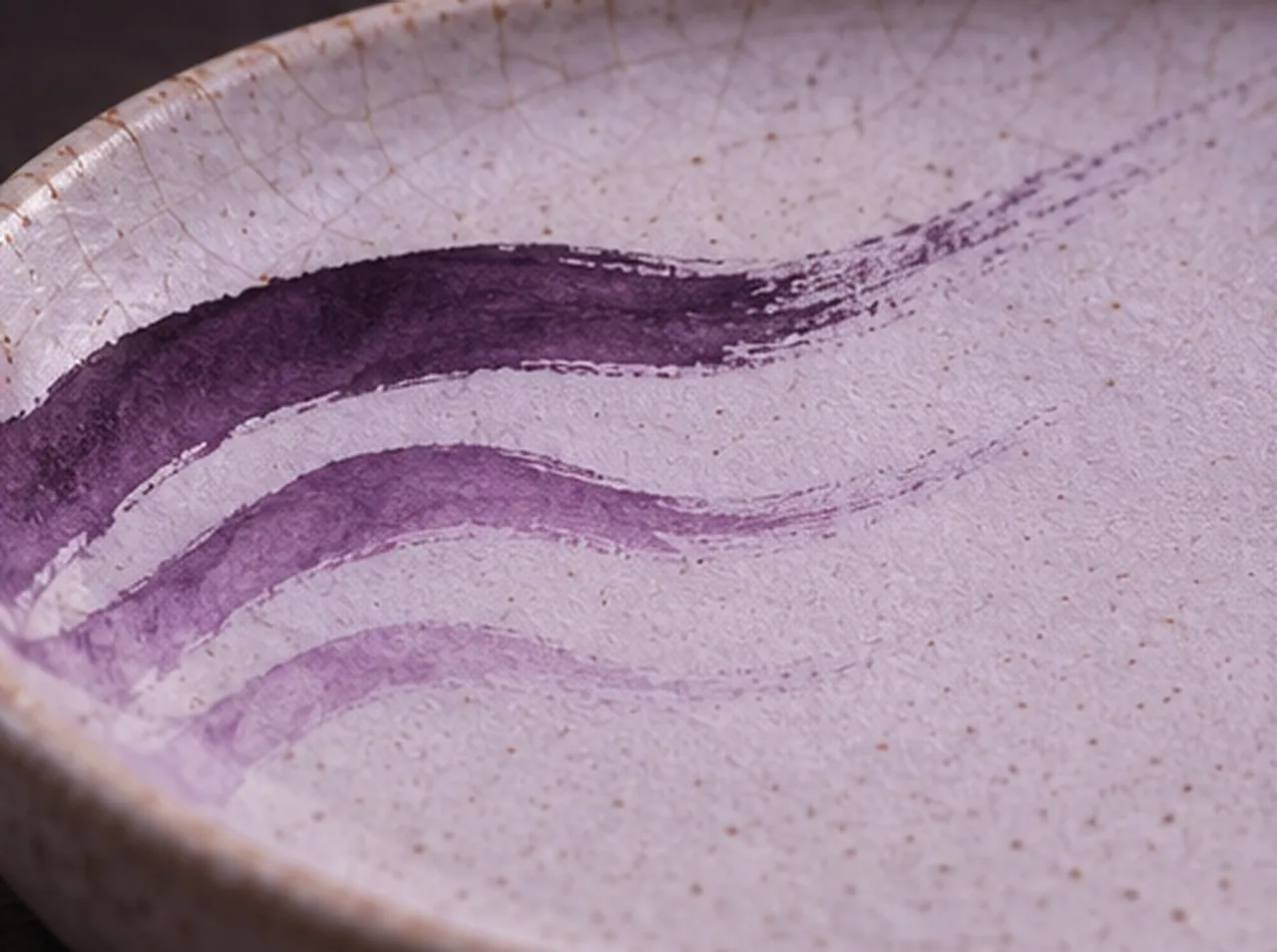
The first stroke comes from a pale dry corner and moves toward a darker pool. When it approaches, its raised edge can spread a little farther toward the old branch. Lift the brush and let that thin ridge continue into a shape the player can watch. The earliest model left a brief break in the animation and brought up the counter. A Mark That Would Spread keeps that earlier material part in view. It gives the player a reason to let the ridge move before deciding whether the next gesture should follow it or return toward the boundary.
Change the held view when the material settles
The revised study keeps the middle of the mark dark and gives its moving tip a narrow pale side. That side becomes flatter as the ink reaches a dry part of the tile. It can lose its shine without vanishing underneath the surface. For somebody seeing the world without the color difference, the shape of the raised line also relaxes. Both changes can mark a useful time to look for the next place to touch. The player does not need to put a finger directly on the moving bit to know what happened to it.
Compare with a stroke that still has an open path
Show a second attempt where the line continues toward a brush tip laid out across the opening. If the original end is still changing, moving toward the brush now can join a longer piece of the curve. Waiting gives the player a chance to choose a narrower point and keep a small thread separate. Trace the Closed Loop uses that decision with a gap near the end. Its puzzle comes from reading the latest shape before finishing. The wait is a practice of looking at something that a player may want to approach in another way.
Make quiet time available when needed
The move between two strokes can run at a slower pace before a large scene is built around it. Someone can take a first small look from beside the tile. Give them room to change the view to the lower angle where the dry edge stays clear. A brush can remain still off to one side of the frame. If a longer pause is allowed when the picture is being compared, most of the animation should remain quiet enough to read. How Much Ink Stays in the Brush compares a different visible change that happens while the player is moving toward a line.
Ask what settled before the next action
In a review, ask where the player was looking when they decided it was time to draw again. If they can locate the point where the thin moving margin flattened, the mark is telling them something about its condition. If they remember a time prompt instead, give the picture a more obvious relationship to its old shape and run the comparison once more. The pause gives a person the opportunity to learn something in a small quiet view before bringing the brush back toward a part of the line that is still available.