
Ink Desk
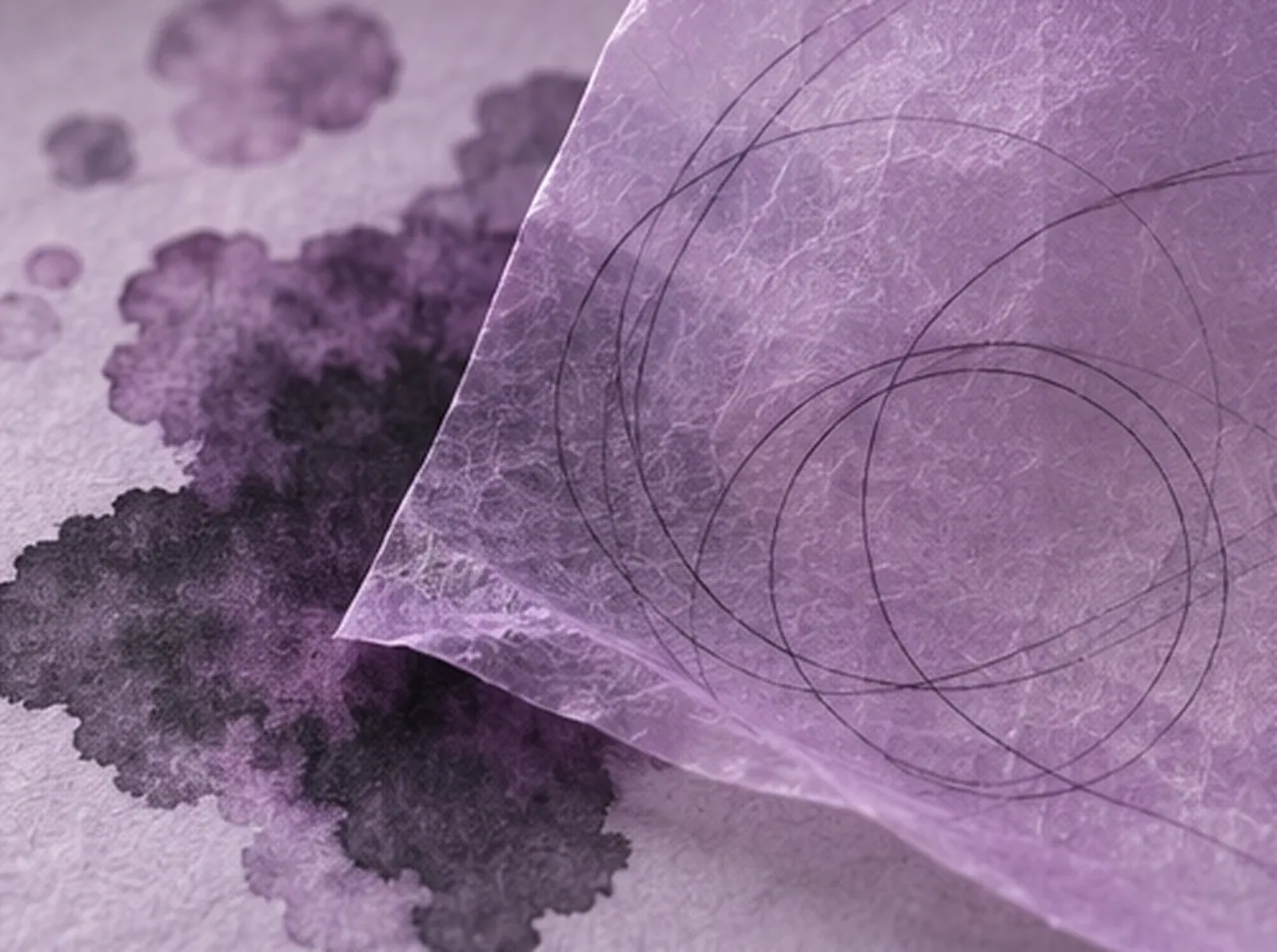
An early ink study can begin with a blot on a sheet and a thin dry patch beside it. The Ink Desk looks at what the eye can find before a hand moves. A living mark in a fictional spell puzzle needs room to change slowly enough to be followed. It also needs parts that do not change, including a piece of cloth, a dry strip of paper, or a shallow groove in a practice tile. Those surfaces make the motion visible without telling the player what ought to happen next.
Give a surface one dependable edge
Begin with a narrow patch of dark ink and choose a clear part of its border. Draw the dry edge as a shape you could find from nearby. A second drawing can show what the pigment looks like after a stroke. If the dry edge disappears into another reflection, the scene needs a better way to keep track of what is still possible. A thin pale material can remain in sight while the spreading mark reaches farther into the shadow. A prototype can test that one contrast inside a spare frame before building a larger spell setting.
Clarify the work by giving roles concrete questions
The art role draws traces that belong to different surfaces. An interaction designer gives a player a way to stop at a narrow place instead of completing every long gesture. Narrative work asks how a spellcaster learns which movements of the fictional ink they can anticipate. Prototype review watches for the point at which someone first sees that a gap is still open. These responsibilities can be shared around a model of one mark, with the labels and the view changed after an awkward test.
Put the revisions beside each other
Keep a Gap in the Loop follows the difference between first and last positions. How Much Ink Stays in the Brush compares what the same movement can mean with different amounts of pigment. Find other samples in Revision Leaves and follow the full study for a drawing of the material before the change.
The Ink Desk accepts questions about these original projects and the site. Send a Mark Note with the case name or the nearest heading so the desk can reach the view you were checking.